
Climate Justice – what it is and why it is so pressing NOW - by Lena Niebling
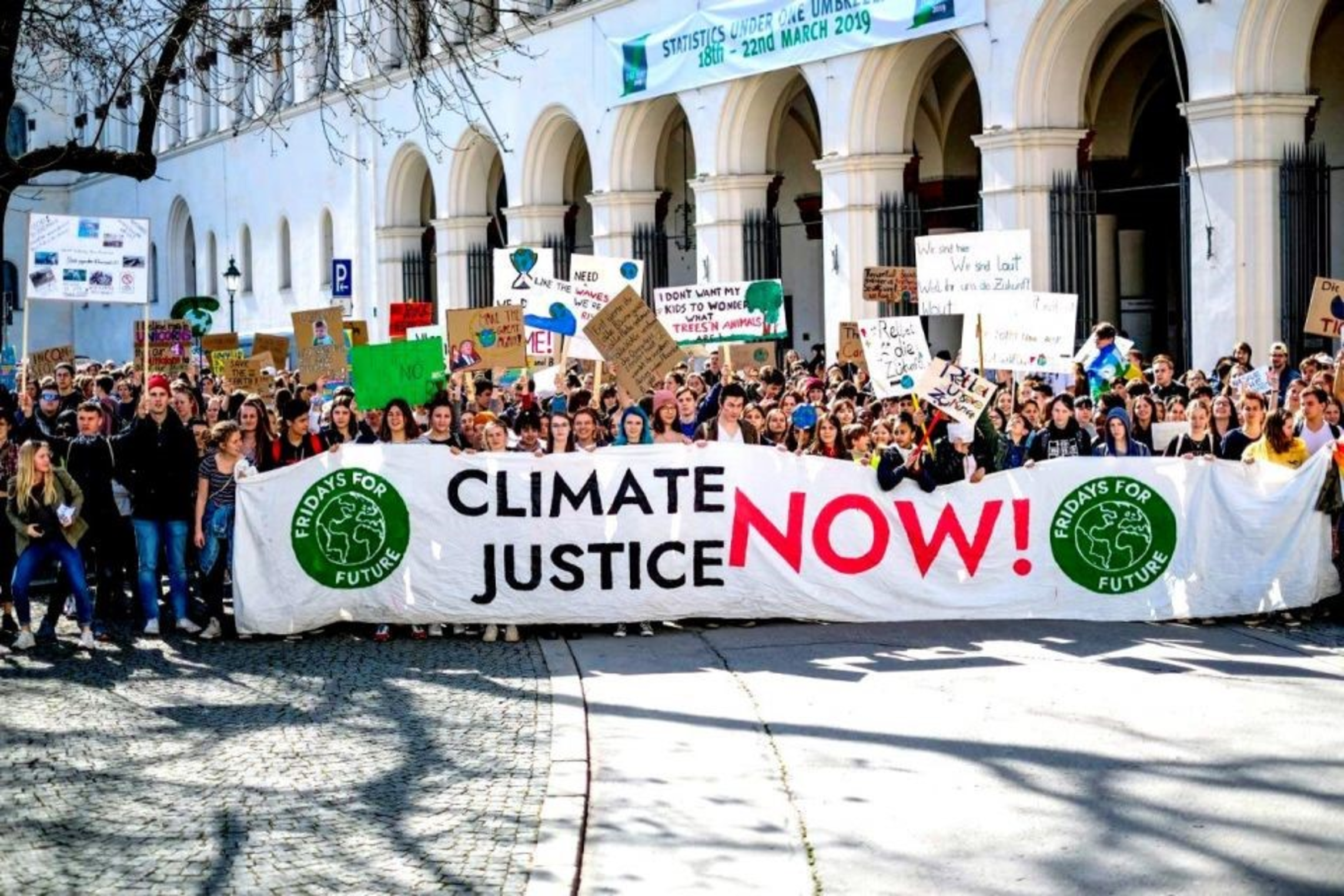
Who ever attended a Fridays for Futures demonstration might know this shout-out dialogue: „What do we want?“ „CLIMATE JUSTICE“ „When do we want it?“ „NOW!“. In our second academic module, we learned what Climate Justice means, why it is so complicated, but also why it is so important nowadays.
Firstly, we need to understand that in REALITY, we all don’t have the same starting point. Not all countries are equally affected by climate change, and not all do have the same financial possibilities to act against it. Furthermore, not all countries will be equally affected by the problems caused through climate change, such as droughts and other extreme weather conditions. Often, countries that contribute least to the problem – the richest 1% emits twice as much as the poorest 50% – through greenhouse gas emissions are currently or are predicted to be affected most in the future. Whereas, the climate does not care about geography, geography does care about the climate. Temperature increases are just an average and can vary substantially from region to region, thus not all locations will be harmed equally by climate change.
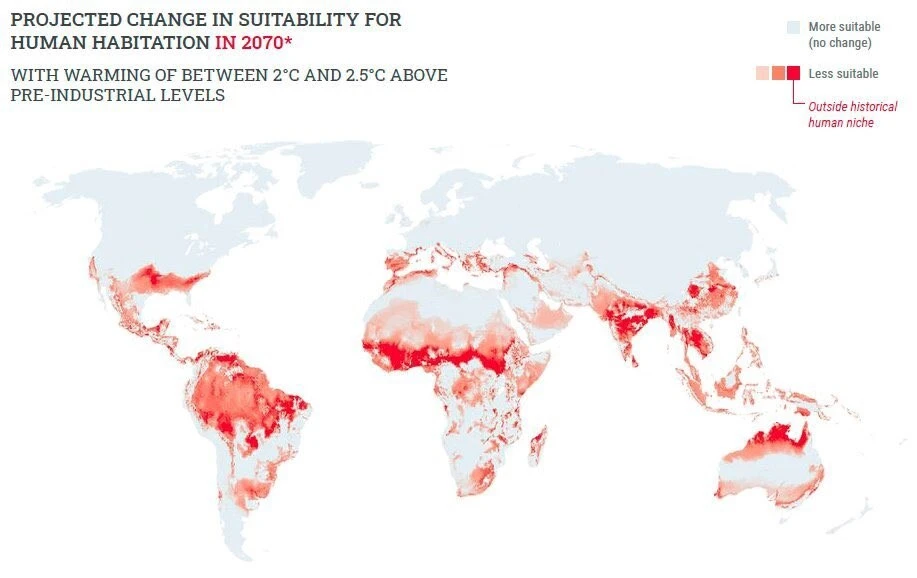
But not only location-wise there are grave differences – Climate Change also has and will have worse implications for e.g. women and minorities and is linked to racial justice, social justice, intergenerational justice, and gender justice. And even within the same countries and regions inhabitants are not affected equally, but most likely the poorer are more affected because they can’t afford safety mechanisms or living in safe areas nor compensation mechanisms such as air conditioning.
So far, richer countries haven’t yet fully accepted how unjust climate change really is. Therefore, the question about climate debt is highly debated. Since the industrial revolution, especially countries of the „Global North“ have contributed most significantly to the total greenhouse gas emissions worldwide. Whereas parallelly, colonialized countries have been hindered to develop by the latter. Just recently, Denmark – as the first country – assured climate reparations to countries of the „Global South“ to compensate for their „loss and damage“. Something that has been a taboo in the past, has now been granted by a government – a first step to face the responsibilities „developed“ countries‘ governments have.
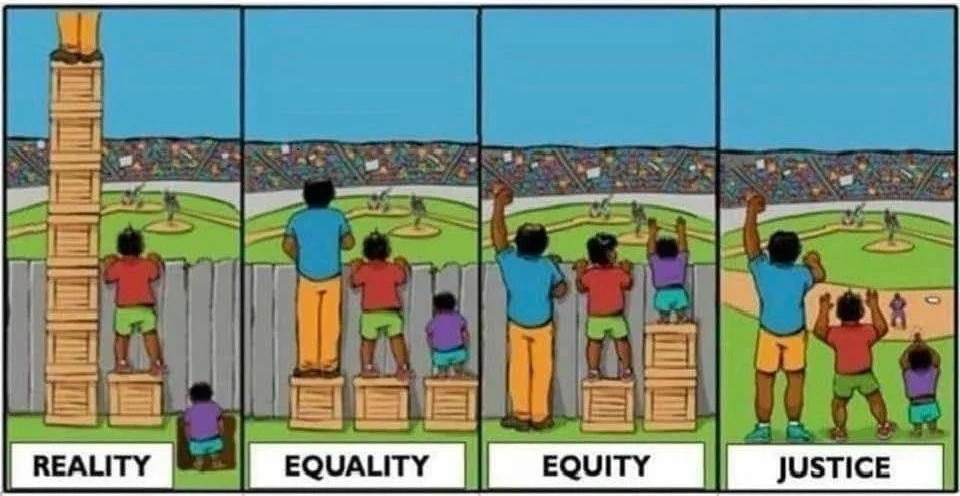
But even if all richer countries would pay reparations – and they are most important to provide EQUALITY – it would not be enough. Carbon stays trapped in the atmosphere for decades – and sums up. So the lower debt from the past of „developing“ countries can’t be used as the ultimate excuse to keep on emitting & committing environmental crimes such as the deforestation of the Amazon – our planet‘s „lungs“.
Fact is, that climate change is the most disruptive game changer and the biggest challenge for humanity so far. A complex, multilateral problem with many different implications. Different actors from private and public sector – be it governments or NGOs – have different viewpoints and interests when it comes to tackling climate crisis and its resulting injustices. In order to find solutions commonly and negotiate effectively, it is crucial to identify and understand underlying interests of all parties‘ positions. Additionally, being aware of intersectionalities and bringing diversity into decision-making in order to avoid blind spots and provide EQUITY is indispensable.
In the end, the essential question is, will we timely find a way out – with JUSTICE and dignity? We should act now, not later!